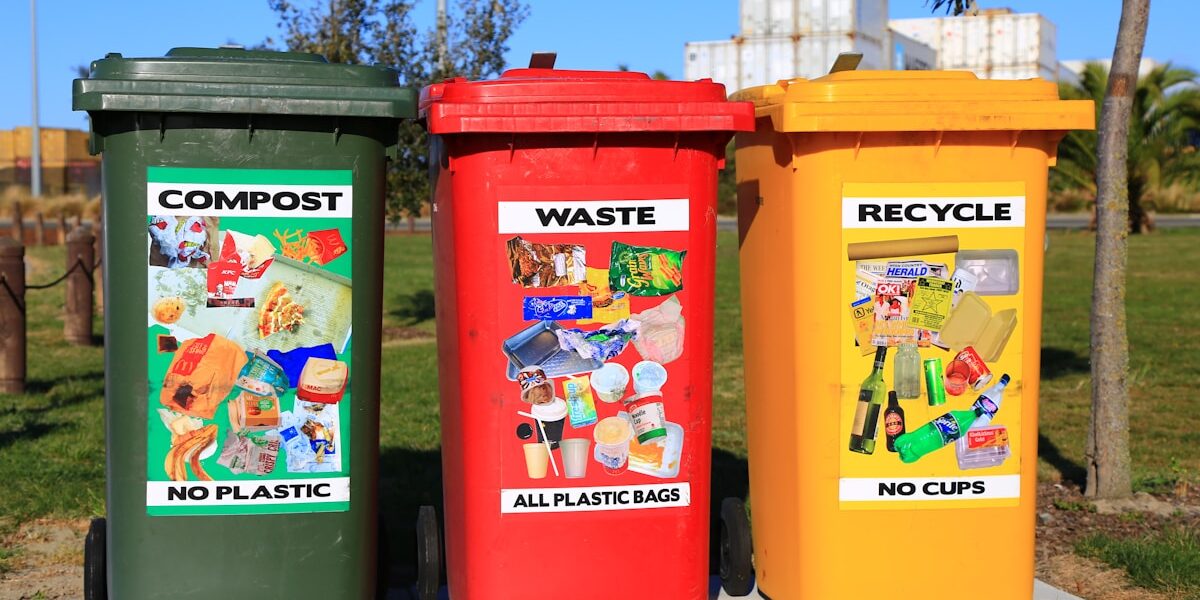
Retailers as Key Partners in the Deposit Return System
Retailers occupy a central position in the Deposit Return System (DRS) operated by Eco-Ret Moldova. As the primary interface between the system and consumers, retail stores serve as both the point of deposit collection (at sale) and the point of deposit refund (at return). Understanding the role, obligations, and benefits for retailers is essential to the system's success.
Legal Obligations of Retailers
Under Law 209/2016 and Government Decision 379/2025, retailers have specific obligations within the DRS framework:
- Mandatory participation: All retail establishments with a sales area exceeding 200 square meters are required to accept empty DRS containers from consumers and refund the deposit amount.
- Deposit collection: Retailers must charge the deposit amount on all DRS-eligible beverages at the point of sale, displaying it separately from the product price.
- Visible information: Stores must display clear signage indicating that they accept container returns, including the location of the return point within the store.
- Reasonable access: Return facilities must be accessible during the store's regular business hours.
- Reporting: Retailers must maintain records of containers collected and deposits refunded, reporting to Eco-Ret Moldova on a regular basis.
How the System Works for Retailers
The financial flow for retailers within the DRS is designed to be cost-neutral:
- At sale: The retailer collects the deposit from the consumer on top of the beverage price. This deposit amount is passed through to the producer/importer via the wholesale price chain.
- At return: The retailer refunds the deposit to the consumer who returns an empty container. The retailer is reimbursed by Eco-Ret Moldova for all deposits refunded.
- Handling fee: Retailers receive a handling fee per container accepted to cover their operational costs (staff time, space allocation, logistics).
- Collection: Eco-Ret Moldova arranges regular collection of accepted containers from retail premises, at no cost to the retailer.
Setting Up a Return Point
Retailers have options for how they configure their return infrastructure:
Manual Collection
Suitable for smaller stores, manual collection involves designated staff accepting containers over the counter or at a dedicated service window. Staff use handheld scanners to verify containers and process refunds through the POS system. This approach requires minimal capital investment but uses staff time.
Reverse Vending Machines (RVMs)
Larger retailers may choose to install Reverse Vending Machines that automate the entire return process. Benefits include:
- No staff time required for container acceptance
- Automatic verification and counting
- Compaction of containers for efficient storage
- Digital reporting and real-time data
- Extended operating hours possible
Eco-Ret Moldova works with retailers to determine the optimal solution based on store size, expected return volumes, and available space.
Benefits for Retailers
While the DRS creates operational obligations, it also delivers tangible benefits:
- Increased foot traffic: Consumers returning containers often make additional purchases during their visit. International experience shows that DRS return visits generate significant incremental sales.
- Customer loyalty: Being a convenient, welcoming return point builds positive association with the store brand.
- Handling fee revenue: The per-container handling fee provides a revenue stream that covers operational costs and may generate net positive income for high-volume locations.
- Corporate responsibility: Participation in the DRS demonstrates environmental commitment to increasingly eco-conscious consumers.
- Reduced litter around premises: With a financial incentive to return containers, litter in store parking lots and surrounding areas decreases significantly.
Compliance and Support
Eco-Ret Moldova provides comprehensive support to retailers joining the system:
- Training: Staff training on container acceptance, barcode scanning, and refund processing.
- Materials: Point-of-sale signage, consumer information materials, and DRS branding assets.
- Technology: POS integration support, scanner provision, and RVM installation coordination.
- Logistics: Regular scheduled collection of accepted containers from store premises.
- Reporting tools: Digital dashboard for tracking volumes, reimbursements, and handling fees.
For questions about retailer participation, contact Eco-Ret Moldova at str. Bălțului 2a, or. Sîngerei, raionul Sîngerei, Republica Moldova, or through the official website ecoretsda.md.
Best Practices from Successful DRS Retailers
Retailers in countries with established Deposit Return Systems share these best practices:
- Make the return point visible and accessible — ideally near the store entrance or at a clearly marked location.
- Train all customer-facing staff — every employee should be able to direct consumers to the return point and answer basic DRS questions.
- Keep the area clean and well-maintained — a pleasant return experience encourages repeat participation.
- Display environmental impact — showing customers how many containers have been returned through your store builds engagement and pride.
- Integrate with loyalty programs — offering the option to credit deposit refunds to a store loyalty card increases both DRS participation and customer retention.